
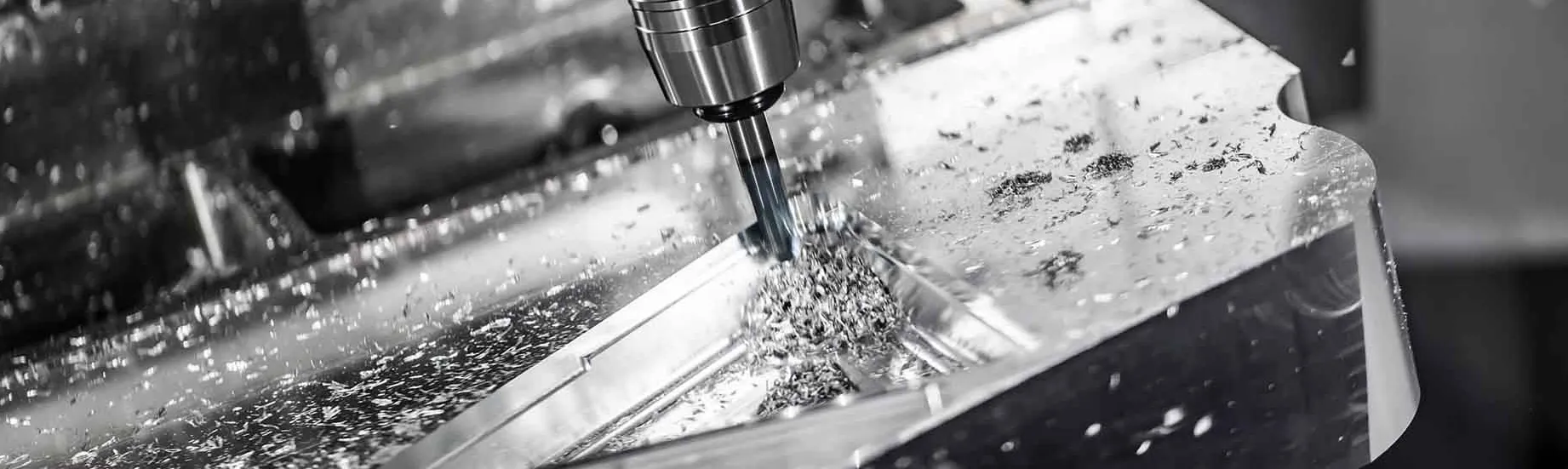
Aluminum is a widely used non-ferrous metal known for its versatility and numerous applications. It is lightweight, durable, and can be easily machined, making it a popular choice for manufacturers.
Aluminum CNC machining is one of the most common machining processes. It allows manufacturers to produce precision parts with high accuracy, making it ideal for creating custom components that meet specific performance requirements.
In this article, we will explore the benefits of aluminum for CNC machining, different aluminum grades used in machining, and the standard CNC machining techniques.
Best Aluminum Grades for CNC Machining
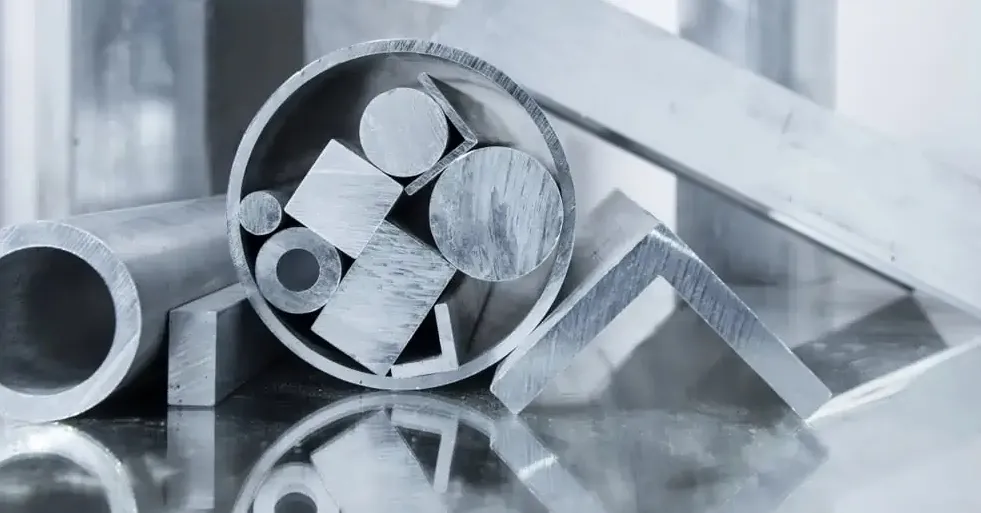
Aluminum is commonly used in CNC machining due to its versatility and different alloys that offer various benefits. Depending on your project’s needs, choosing the right aluminum alloy is essential.
Some aluminum grades are stronger, while others offer better corrosion resistance or are easier to machine.
Below is an overview of the most popular aluminum grades for CNC machining and their key properties.
Aluminum 2017
Aluminum 2017 is a high-strength alloy that offers good machinability and is often used in aerospace and military applications. It provides a combination of good fatigue resistance and machinability, making it suitable for complex parts that need to withstand significant stress. However, it is not as corrosion-resistant as other aluminum alloys.
Aluminum 2024
Aluminum 2024 is primarily used in the aerospace and military industries due to its high strength and excellent fatigue resistance.It is one of the strongest alloys, but it has poor corrosion resistance and is not suitable for welding.
This alloy is commonly used for critical structural parts that need to withstand heavy loads and stress.
Aluminum 5083
Aluminum 5083 is highly resistant to corrosion, especially in seawater and industrial chemical environments. This makes it a preferred choice for marine and chemical applications. It also offers high strength and excellent weldability.
If you need an aluminum alloy that performs well in extreme conditions, 5083 is a solid choice.
Aluminum 6061
Aluminum 6061 is one of the most widely used alloys for CNC machining. It has excellent mechanical properties, good weldability, and high corrosion resistance. This grade is often used in various industries, including aerospace, construction, and consumer goods. It’s easy to machine and is commonly used for making parts that need to be strong yet lightweight, like frames and structural components.
6061 aluminum is also known for its good anodizing ability, making it perfect for parts that require a smooth finish. It is ideal for 5-axis CNC machining.
Aluminum 6063
Aluminum 6063 is often used for architectural applications, like window frames, as well as in the manufacturing of other extruded products. It is known for its excellent corrosion resistance and ability to be easily formed into complex shapes. This alloy is often used in applications where appearance is important, thanks to its smooth surface finish and ability to be anodized.
Aluminum 6082
Aluminum 6082 is a versatile alloy known for its good weldability, corrosion resistance, and machinability. It is often used in construction and other structural applications. 6082 also has good finishing properties and responds well to anodizing, making it an excellent choice for parts that need to look good and perform well under stress.
Aluminum 7050
Aluminum 7050 is an aerospace-grade alloy that offers a good balance of strength, stress resistance, and corrosion resistance. It is particularly well-suited for aircraft and other high-stress, high-performance applications. It performs well in both welded and non-welded conditions, and its excellent resistance to stress corrosion cracking makes it ideal for parts exposed to harsh environments.
Aluminum 7075
Aluminum 7075 is known for its exceptional strength and fatigue resistance. It is one of the strongest aluminum alloys, making it suitable for high-stress applications like aerospace and military parts.
However, it is more expensive and difficult to weld compared to other alloys. It is mainly used for parts like aircraft wings, bike frames, and fuselages. 7075 also offers better corrosion resistance than some other high-strength alloys.
Benefits of Aluminum for CNC Machined Parts
Aluminum alloys offer several advantages that make them ideal for CNC machining. These benefits are important for a variety of industries, including aerospace, automotive, and consumer goods. Below are the key reasons why aluminum is commonly used for CNC machining:
High Strength-to-Weight Ratio
Aluminum is much lighter than steel, weighing about one-third as much. Despite being lightweight, aluminum has high strength, making it ideal for applications where both strength and low weight are important. This combination is especially useful in industries like aerospace and automotive, where strong, lightweight parts are required.
Excellent Machinability
Aluminum is easy to machine, which means it can be quickly and efficiently processed using CNC machines. It is softer than many other metals, so it cuts easily and generates less heat. This reduces wear on machine tools and lowers energy consumption during machining. Aluminum also deforms less during processing, allowing for higher precision and tighter tolerances in custom parts.
Corrosion Resistance
Aluminum naturally resists corrosion, even in harsh atmospheric conditions. This makes it ideal for outdoor and marine applications. You can further improve its corrosion resistance by anodizing it, which creates a protective oxide layer on the surface. Different aluminum alloys have varying levels of corrosion resistance, but many commonly used grades (like 6061) have excellent protection against corrosion.
Electrical Conductivity
Aluminum is a good conductor of electricity, making it useful for electrical components. While pure aluminum has higher conductivity, most aluminum alloys still maintain good electrical conductivity. If electrical conductivity is important for your application, aluminum can be a suitable choice.
Customizable Finishing
Aluminum parts can be finished in a variety of ways to achieve the desired appearance and performance. Popular finishes include anodizing, powder coating, painting, and chromate conversion. These finishing processes enhance the material’s properties, such as corrosion resistance and wear resistance, and also allow for a customized look.
Recyclability
Aluminum is highly recyclable, requiring minimal energy and cost to reuse. This makes it a more environmentally friendly material compared to other metals.
In CNC machining, excess aluminum chips and scrap can be easily recycled, reducing waste and lowering material costs. Recyclability also makes aluminum a more sustainable choice for manufacturers.
Performance at Low Temperatures
Aluminum retains its strength, ductility, and toughness even at low temperatures. Unlike many materials that become brittle in cold environments, aluminum maintains its mechanical properties in extreme conditions. This makes it ideal for parts used in cryogenic applications or other cold-temperature environments.
Anodization Potential
Aluminum can easily undergo anodizing, a process that enhances its corrosion resistance and wear resistance. Anodizing also allows for the addition of color to the material, making it suitable for both functional and aesthetic applications.
Low Cost and Energy Consumption
Aluminum is relatively inexpensive compared to other metals like titanium or steel. It requires less energy to machine, which reduces overall production costs. These factors make aluminum an attractive option for manufacturers looking for cost-effective solutions.
Aluminum CNC Machining Processes We Can Provide
Aluminum CNC machining covers a variety of processes used to shape aluminum parts. These processes include milling, turning, drilling, pocketing, and facing. Below is an overview of each aluminum CNC machining processes we can provide:
CNC Milling
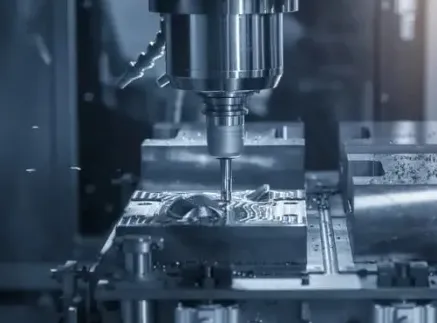
CNC milling is one of the most common machining techniques for aluminum. In this process, a rotating multi-point cutting tool moves along different axes while the aluminum workpiece remains fixed. The cutting tool removes material gradually from the workpiece, allowing for high precision and tight tolerances.
CNC milling is ideal for producing complex shapes and details in aluminum parts.
CNC Drilling
CNC drilling is used to create holes in aluminum workpieces. A rotating multi-point cutting tool moves in a straight line perpendicular to the material’s surface.
This process is commonly used for parts that require holes for assembly or to accommodate screws and bolts.
CNC drilling provides accuracy and consistency in hole placement and size.
CNC Turning
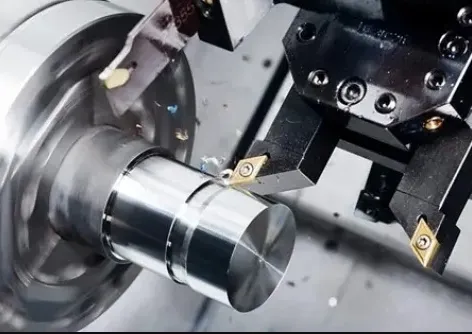
In CNC turning, the aluminum workpiece is rotated at high speeds while a stationary single-point cutting tool removes material. The turning process shapes the material as it rotates. This technique is typically used to create cylindrical or rounded shapes, such as shafts and rings. The cutting tool or workpiece moves along the axis to achieve the desired form.
Pocketing
Pocketing, also known as pocket milling, is a specialized type of CNC milling used to create a hollow or recessed area, or “pocket,” in the aluminum part. This technique is used when a part needs to have a specific cavity or indentation, often for functional or aesthetic purposes.
Facing
Facing is a machining process that creates a flat surface on the workpiece.
In CNC machining, face milling or face turning is used to remove material from the surface of the part to create a smooth, flat cross-sectional area.
Facing is often used to prepare a workpiece for further machining or to achieve a clean finish.
Surface Finishing Processes for CNC Machining Aluminum Parts
After machining aluminum parts, several processes can be used to enhance their physical, mechanical, and aesthetic properties. These processes help improve the surface quality and durability of the parts. Here are some of the most common post-machining processes:
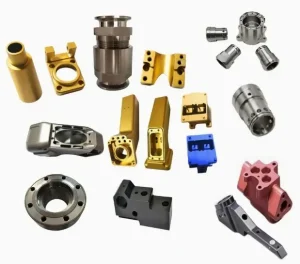
Bead and Sand Blasting
Bead blasting is a finishing process used to improve the surface appearance of aluminum parts. In this process, tiny glass beads are sprayed onto the part using high-pressure air. This helps remove small amounts of material, giving the aluminum a smooth, satin, or matte finish.
Bead blasting is primarily for aesthetic purposes and is not suitable for parts where precise dimensional tolerances are required. The size of the beads and the air pressure are key factors that affect the finish.
Coating
Coating involves applying a layer of another material, such as zinc, nickel, or chrome, to the surface of the aluminum part. This process helps improve the part’s properties, such as corrosion resistance and durability.
Coating can be done using electrochemical methods, which involve applying an electric current to bond the coating material to the aluminum.
Anodizing
Anodizing is an electrochemical process in which an aluminum part is submerged in a sulfuric acid solution, and an electrical current is passed through the solution. This process creates a hard, protective layer of aluminum oxide on the surface of the part, which is resistant to wear and corrosion.
The thickness and density of the anodized coating depend on the anodizing time, the current used, and the solution’s concentration. Anodizing can also be used to add color to the aluminum part, giving it a decorative finish.
Powder Coating
Powder coating involves applying a dry polymer powder to an aluminum part using an electrostatic spray gun. The part is then heated in an oven at around 200°C to cure the coating.
Powder coating improves the strength and resistance of the part to wear, corrosion, and impact. It also provides a smooth and uniform finish, which can be applied in a variety of colors.
Heat Treatment
Heat treatment is used for heat-treatable aluminum alloys to improve their mechanical properties, such as strength and hardness. This process involves heating the aluminum to a specific temperature, followed by cooling it at a controlled rate.
Heat treatment can significantly enhance the performance of the part, making it more suitable for high-stress applications.
Other surface finishing processes include polishing and painting, which can also improve the appearance of the aluminum parts.
Applications of Aluminum CNC Machined Parts
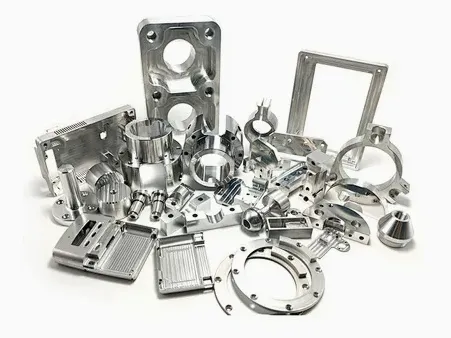
Aluminum CNC machined parts offer exceptional qualities that make them suitable for a wide range of industries. Below are some of the key areas where these parts are commonly used:
Food and Pharmaceutical Industries
Aluminum is highly resistant to corrosion and does not react with most organic substances. This makes aluminum parts ideal for use in the food and pharmaceutical industries, where hygiene and non-reactivity are essential. Aluminum is often used for processing equipment, storage containers, and other components in these sectors.
Sports Equipment and Recreation
Aluminum CNC machined parts are widely used in the sports equipment due to their light weight, strength, and durability. Aluminum is commonly used for making sports equipment such as baseball bats, helmets, bicycle parts, sport whistles, and other gear.
CNC machining allows manufacturers to create high-performance, lightweight equipment that is strong and easy to handle.
Cryogenics
Aluminum’s ability to retain its mechanical properties at extremely low temperatures makes it ideal for cryogenic applications. Parts used in cryogenics, such as those in medical and scientific equipment, benefit from aluminum’s performance at sub-zero temperatures.
Aerospace Industry
Aluminum is a critical material in the aerospace industry, especially for structural parts like engine components, airframes, and landing gear.
Aluminum alloys offer an excellent strength-to-weight ratio, making them essential for reducing the weight of aircraft while maintaining the necessary strength.
CNC-machined aluminum parts are used to manufacture complex components like wing panels and fuselage sections, meeting the high-quality standards for precision and reliability in the aerospace sector.
Automotive Engineering
In the automotive industry, aluminum CNC machined parts are widely used in the production of engine components, suspension systems, transmission housings, and parts for electric vehicles.
The lightweight nature of aluminum helps reduce overall vehicle weight, improving fuel efficiency and performance. Aluminum’s strength and durability also contribute to the longevity and reliability of automotive parts.
Consumer Electronics
Aluminum CNC machined parts are popular in the production of consumer electronics such as laptops, smartphones, tablets, and audio equipment.
Aluminum is often used for casings and enclosures because it provides a lightweight, sleek design that protects internal components while also allowing for heat dissipation.
The ability to dampen vibrations makes aluminum ideal for high-end audio equipment like amplifiers, headphones, and speaker enclosures, ensuring better sound quality and longevity of the products.
In summary, aluminum CNC machined parts are used across many industries, including food and pharmaceuticals, aerospace, automotive, consumer electronics, and sports.


